Benefits of Dental Implants
Salem, OR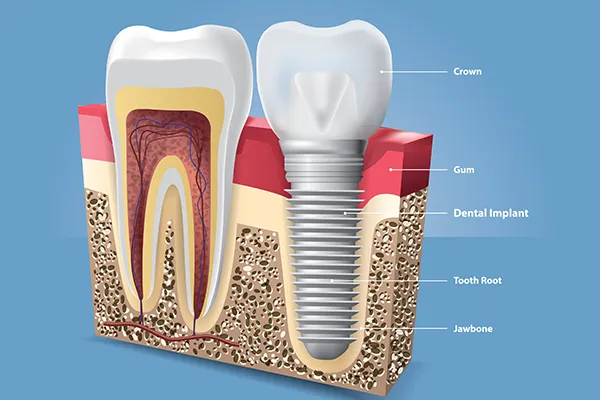
The gap left by a missing tooth creates problems that extend well beyond appearance. Bone loss, shifting teeth, and bite misalignment are all downstream effects of leaving tooth loss unaddressed. Dental implants are the only tooth replacement option that addresses all of these concerns simultaneously, restoring both the visible dental crown and the root structure that keeps the jaw healthy. A Restoration That Works Like a Natural ToothA dental implant consists of a titanium post placed directly into the jawbone, which serves as an artificial tooth root. Over the weeks following placement, the post fuses with the surrounding bone through a process called osseointegration, creating a stable, permanent anchor. A custom crown is then attached to the post, completing the restoration. This integration is what separates implants from every other tooth replacement option. Unlike a denture that rests on the gumline or a bridge that requires support from adjacent teeth, an implant is entirely self-supporting. It handles chewing forces, maintains spacing, and stays in place without any external support. Bone Preservation and Long-Term Facial StructureWhen a tooth is lost and not replaced, the jawbone in that area begins to shrink. Without the stimulation of a tooth root transmitting chewing forces into the bone, the body gradually resorbs the bone tissue, leading to changes in facial shape that can make the jaw appear sunken or collapsed over time. An implant is the only tooth replacement that restores this stimulation. By transmitting chewing forces directly into the jaw, the implant signals the body to maintain bone density in that area. Bridges and dentures sit on top of the gum and provide no protection against the bone loss occurring beneath them. Stability During Eating, Speaking, and Daily LifeOne of the most practical advantages of dental implants is the stability they provide. Removable dentures shift during eating and speaking, often requiring adhesives to stay in place. Over time, ill-fitting dentures can cause soreness and make it difficult to eat certain foods. Implant-supported crowns are anchored in the bone and do not move. Patients eat a full range of foods without restriction, speak clearly without concern about a prosthetic clicking or shifting, and never need to remove the restoration for cleaning or overnight storage. For patients who have struggled with dentures, the difference in daily comfort is significant. No Alterations to Healthy Adjacent TeethA dental bridge is a common alternative to an implant, but it comes with a significant drawback. To anchor a bridge, the two teeth on either side of the gap must be permanently filed down to accommodate dental crowns. This means otherwise healthy tooth structure is sacrificed to support the prosthetic. If those anchor teeth ever develop problems, additional treatment becomes more complicated. A dental implant requires no modification to the surrounding teeth. It stands independently in the bone, leaving neighboring teeth fully intact. This matters especially for younger patients or those who have invested in preserving their natural dentition. Simple Oral Hygiene RoutineCaring for a dental implant is straightforward. Patients brush and floss the implant crown just as they would a natural tooth. There is no removal process, no soaking solution, and no special cleaning devices required. Contrast this with removable dentures, which must be taken out each night, soaked, and scrubbed separately, or with bridges, which require floss threaders to clean the area beneath the pontic. Implants integrate directly into the existing oral hygiene routine with minimal adjustment. This simplicity makes it easier to maintain good gum health around the restoration, which plays a direct role in long-term implant success and stability. Durability Over TimeThe titanium post at the core of a dental implant is highly resistant to decay and designed to last for decades with proper care. Regular brushing, flossing, and dental cleanings are the primary requirements for maintaining the implant over the long term. The crown attached to the post may eventually need to be replaced due to normal wear, but the post itself is built to remain stable indefinitely in most patients. When compared to other restorations that require periodic refitting, replacement, or adjustment, the long-term durability of a dental implant represents a meaningful advantage for overall oral health planning. Stabilizing the Entire ArchA single missing tooth affects more than the space it leaves. The teeth on either side of the gap gradually drift into the open space, and the tooth that previously bit against the missing one may begin to over-erupt. These changes alter the alignment of the bite, which can contribute to jaw discomfort, uneven wear, and further tooth loss. In some cases, a single untreated missing tooth can trigger a progressive deterioration of the surrounding teeth. Replacing the tooth promptly with a dental implant stabilizes the arch, holds spacing, supports the bite, and prevents the surrounding teeth from shifting out of position. Appearance and ConfidenceImplant-supported crowns are fabricated to match the surrounding natural teeth in shape, size, and shade. The final result blends naturally with the existing smile and functions with the same feel as a natural tooth. Because the restoration is fixed and stable, patients speak and smile without the self-consciousness that can accompany removable prosthetics. There is no clicking, no slippage, and no awareness of a foreign appliance in the mouth. Many patients report that restoring a complete, stable smile affects how confident they feel in social and professional settings, including conversations and situations where they previously avoided smiling altogether. Discussing Your Options with Lakeview Dental CenterDental implants are not the right option for every patient in every situation. Sufficient bone density, healthy gum tissue, and overall systemic health are all factors that determine candidacy. Prior tooth loss that resulted in significant bone resorption may require a preparatory grafting procedure before placement can proceed. Some patients also benefit from additional periodontal treatment to ensure the gum tissue around the implant site is healthy. A thorough evaluation with Lakeview Dental Center is the best starting point. If you are dealing with tooth loss and want to understand your options, schedule a consultation by calling (971) 374-5600 to discuss what implant treatment could look like for your situation. |
 |