Longevity of Dental Veneers
Salem, OR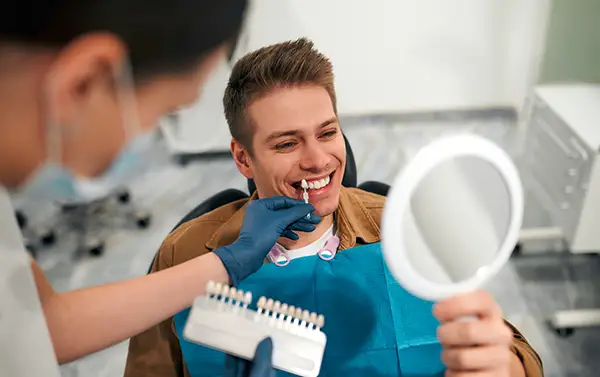 Dental veneers are designed to enhance the appearance of teeth while also supporting long-term function and durability. These thin coverings are carefully placed over the front surfaces of teeth to improve color, shape, size, or alignment. While veneers are not permanent, they are crafted to provide lasting results when properly maintained. Dental veneers are designed to enhance the appearance of teeth while also supporting long-term function and durability. These thin coverings are carefully placed over the front surfaces of teeth to improve color, shape, size, or alignment. While veneers are not permanent, they are crafted to provide lasting results when properly maintained. How Long Do Dental Veneers Last?Dental veneers typically last between 10 to 15 years, though many can remain in excellent condition even longer with proper care. The longevity of veneers depends on a combination of factors that influence their strength, stability, and resistance to damage. The type of material used, personal habits, and oral hygiene routines all play an important role in determining how long veneers maintain their appearance and function. Patients who follow good dental care practices and avoid excessive stress on their teeth often experience longer-lasting results. Regular dental visits also allow the dentist to monitor your veneers for early signs of wear or damage, which can help extend their lifespan. Materials UsedThe material chosen for dental veneers significantly affects their durability and expected lifespan. The most common types include porcelain veneers and composite resin veneers, each offering different benefits. Porcelain veneers are widely known for their strength and resistance to staining. These veneers are custom-crafted in a dental laboratory and bonded securely to the teeth. Porcelain closely resembles natural tooth enamel in both appearance and durability. With proper care, porcelain veneers commonly last 10 to 15 years or longer. They are resistant to discoloration from foods and beverages and maintain their smooth surface over time. Composite resin veneers are typically applied directly to the teeth during a single visit. While they provide an effective cosmetic solution and can improve the appearance of teeth quickly, they are generally not as durable as porcelain. Composite veneers typically last between 5 to 7 years before requiring repair or replacement. They may be more susceptible to staining and wear, especially if exposed to heavy biting pressure or certain lifestyle habits. Advancements in dental materials continue to improve the strength and longevity of both options. Your dentist will recommend the most appropriate material based on individual needs, oral health, and desired results. HabitsDaily habits can have a major influence on how long dental veneers last. Certain behaviors place additional stress on veneers and increase the risk of chipping, cracking, or loosening. Teeth grinding, also known as bruxism, is one of the most common factors that can shorten the lifespan of veneers. The constant pressure and friction from teeth grinding can weaken the bond between the veneer and the tooth or cause structural damage. Patients who grind their teeth may benefit from wearing a custom nightguard to protect both natural teeth and veneers during sleep. Chewing on hard objects can also affect veneer durability. Habits such as chewing ice, biting fingernails, or frequently consuming hard candies can create excessive force that may damage the veneer surface. Using teeth to open packaging or biting non-food items may also compromise their strength. Lifestyle choices, including tobacco use and frequent consumption of highly pigmented foods or beverages, may affect the appearance of veneers over time. Although porcelain veneers resist staining, the surrounding natural teeth may discolor, which can create noticeable differences in shade. Oral HygieneMaintaining good oral hygiene is essential for preserving the longevity of dental veneers. While veneers themselves cannot develop cavities, the natural tooth structure beneath them remains vulnerable to decay and gum disease. Brushing twice daily with a non-abrasive toothpaste helps protect both the veneers and the underlying teeth. Flossing daily removes plaque and food particles from areas around the veneer margins, where bacteria can accumulate. Healthy gums provide stable support for veneers, helping them remain securely in place. Routine dental examinations and professional cleanings allow Dr. Zerr to evaluate the condition of your veneers and detect potential issues early. During these visits, the dentist can check for changes in bonding, wear patterns, or gum health that may affect veneer stability. Proper oral hygiene not only protects veneers but also supports overall oral health, which plays a key role in maintaining long-lasting results. Can Veneers Be Repaired or Replaced?Although dental veneers are designed to be durable, they can sometimes become damaged or loosen over time. If a veneer chips, cracks, or detaches from the tooth, treatment options are available to restore the smile. If a veneer becomes loose or falls off, it may be possible for the dentist to reattach it if the veneer and underlying tooth remain in good condition. Prompt attention is important to prevent further damage or sensitivity. Patients should avoid attempting to reattach the veneer themselves and should contact our office as soon as possible. In cases where a veneer is significantly damaged or cannot be re-bonded, replacement may be recommended. Your dentist will evaluate the condition of the tooth and create a new custom veneer to restore both function and appearance. Minor chips in composite veneers may sometimes be repaired with additional bonding material. Porcelain veneers, however, usually require replacement if substantial damage occurs due to the nature of the material. Over time, veneers may also need replacement due to normal wear or changes in the surrounding teeth and gums. Regular dental visits at Lakeview Dental Center help determine when replacement is appropriate and ensure continued comfort and aesthetics. Maintaining Long-Lasting VeneersCaring for dental veneers involves consistent attention to daily habits and professional dental care. Simple preventive measures can significantly extend the lifespan of veneers and preserve their appearance. Patients are often advised to avoid biting directly into very hard foods and to use protective appliances when participating in activities that may risk dental injury. Wearing a mouthguard during sports or a nightguard for teeth grinding helps prevent unnecessary stress on veneers. Choosing non-abrasive dental products also supports veneer longevity. Abrasive toothpaste or aggressive brushing techniques may gradually wear down the polished surface of veneers, affecting their appearance. Using a soft-bristled toothbrush and gentle brushing motions helps maintain their smooth finish. Regular dental checkups allow our dentists to monitor the condition of your veneers and address small concerns before they become larger issues. Professional cleanings help remove plaque buildup and support healthy gums, which provide essential support for veneers. Patients who follow these recommendations often enjoy long-lasting results that maintain both the function and appearance of their smile. Ready for a Long Lasting Smile?Dental veneers offer a durable and effective way to enhance the look of teeth while supporting overall oral health. Their longevity depends on the materials used, daily habits, and consistent oral hygiene practices. With proper care and regular dental visits, veneers can provide lasting improvements in appearance and function for many years. Patients interested in improving their smile or learning more about the longevity of dental veneers are encouraged to schedule a consultation at Lakeview Dental Center by calling (971) 374-5600. A personalized evaluation can help determine whether veneers are an appropriate option and provide guidance on maintaining long-term results. |
 |