What Problems Can Veneers Correct?
Salem, OR
 Dental veneers are one of the most versatile cosmetic treatments available, capable of addressing a wide range of aesthetic concerns in a single procedure. Whether you have one specific issue or several, veneers offer a comprehensive solution that can transform the appearance of your smile. Understanding what veneers can and cannot correct helps you determine whether this treatment is the right fit for your smile goals. At Lakeview Dental Center we want to help you make the right choice. Dental veneers are one of the most versatile cosmetic treatments available, capable of addressing a wide range of aesthetic concerns in a single procedure. Whether you have one specific issue or several, veneers offer a comprehensive solution that can transform the appearance of your smile. Understanding what veneers can and cannot correct helps you determine whether this treatment is the right fit for your smile goals. At Lakeview Dental Center we want to help you make the right choice.
Discoloration That Does Not Respond to Whitening
Teeth whitening works well for surface stains caused by food, beverages, or tobacco, but some forms of discoloration go deeper. Intrinsic staining, which originates inside the tooth itself, often cannot be resolved with bleaching treatments. This type of discoloration may result from antibiotic use during tooth development, fluorosis, trauma, or the natural aging process. Dental veneers cover the visible surface of the tooth entirely, masking even severe or deeply embedded discoloration and creating a consistently bright, even appearance across your smile. For patients who have tried whitening treatments without satisfying results, veneers offer a reliable and long-lasting alternative.
Chips and Minor Fractures
A chipped tooth affects both appearance and confidence, particularly when it involves a front tooth. Small chips and minor fractures that do not compromise the structural health of the tooth are ideal candidates for veneer coverage. The veneer is bonded directly over the damaged area, restoring the natural contour and shape of the tooth without requiring more extensive restorative work. For chips that are minor but visible every time you smile, veneers offer an efficient, lasting correction. In situations where a chip is more significant or affects the tooth's function, your dentist will assess whether a veneer is sufficient or whether a crown would provide better protection.
Worn or Shortened Teeth
Over time, teeth can wear down due to bruxism (teeth grinding), acid erosion, or simply decades of use. When the biting edges become noticeably shorter or flattened, it changes the proportions of your smile and can make your face appear older than it is. Veneers restore lost length and recreate a natural tooth profile, giving your smile a more youthful and proportionate look. In cases involving significant teeth grinding, the dentist will typically evaluate and address the underlying cause before placing veneers to protect the result. A nightguard or other intervention may be recommended alongside the cosmetic treatment to prevent premature wear on the new veneers.
Gaps Between Teeth
Small to moderate spaces between teeth, particularly in the front of the mouth, can be addressed with veneers without the need for orthodontic treatment. By carefully sizing and shaping each veneer, the dentist can close visible gaps and create a more uniform smile. This approach is especially useful when only a few teeth are involved, or when a patient prefers a faster solution than orthodontic treatment would provide. The result is a natural-looking closure that integrates seamlessly with the surrounding teeth. For larger gaps or significant spacing concerns, the dentist will discuss whether veneers are the most appropriate option or whether other treatments might produce better results.
Mild Misalignment and Uneven Teeth
Veneers can create the appearance of straighter, more evenly aligned teeth when the actual misalignment is minor. Teeth that are slightly crooked, rotated, or uneven in length can be visually corrected through the careful design and placement of veneers. Because the veneer adds a precisely shaped layer over the existing tooth, the dentist can subtly adjust the apparent position, size, and shape of each tooth. This is sometimes called a cosmetic correction and is a well-established option for patients who want a straighter-looking smile without braces or aligners.
It is worth noting that veneers are not a substitute for orthodontic treatment in cases of significant misalignment, crowding, or bite concerns. If your teeth require meaningful movement or your bite needs correction, the dentist will likely recommend addressing those issues through other means first. In some cases, a short course of orthodontic treatment followed by veneers produces the most complete and stable result.
Irregular Shape and Size
Some teeth are naturally smaller, rounder, or shaped differently than the surrounding teeth, which can disrupt the visual harmony of your smile. Teeth that appear too small, too pointed, or unusually proportioned can be reshaped with veneers to achieve a more balanced, cohesive look. The dentist will consider your facial proportions, lip line, and overall smile aesthetics when designing each veneer, so the result looks natural rather than uniform in a way that appears artificial. Small teeth, sometimes called peg laterals, are a particularly common concern that veneers address effectively, restoring both proportion and symmetry to the smile.
Multiple Concerns Addressed Together
One of the most significant advantages of veneers is that they can correct several problems at once. A patient dealing with staining, minor chips, and slight spacing issues does not need separate treatments for each concern. A full set of veneers, typically covering the upper front teeth and sometimes the lower front teeth as well, can unify the smile and resolve multiple cosmetic issues in a single treatment plan. This efficiency makes veneers a popular choice for patients who want a comprehensive smile transformation rather than incremental improvements over time.
What to Expect During a Veneer Consultation
If you are considering veneers, a consultation with our dentist at Lakeview Dental Center is the first step. During this appointment, the dentist will examine your teeth, discuss your aesthetic goals, and determine whether your oral health supports veneer placement. Any existing issues such as active decay, gum disease, or bite problems will need to be resolved before veneers can be placed. Digital imaging or smile design tools may be used to help you preview potential outcomes before any preparation begins.
Veneers require a small amount of enamel to be removed from the front surface of each treated tooth, which means the process is permanent. The dentist will walk you through each step, explain what preparation involves, and answer your questions so you can move forward with confidence.
Find Out If Veneers Are Right for You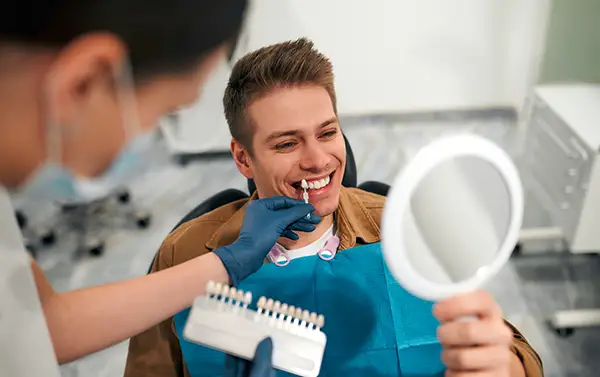
Veneers can correct many of the concerns that affect how your smile looks and how you feel about it. Contact Lakeview Dental Center at (971) 374-5600 to schedule a cosmetic consultation and learn whether veneers are the right solution for your goals. |